
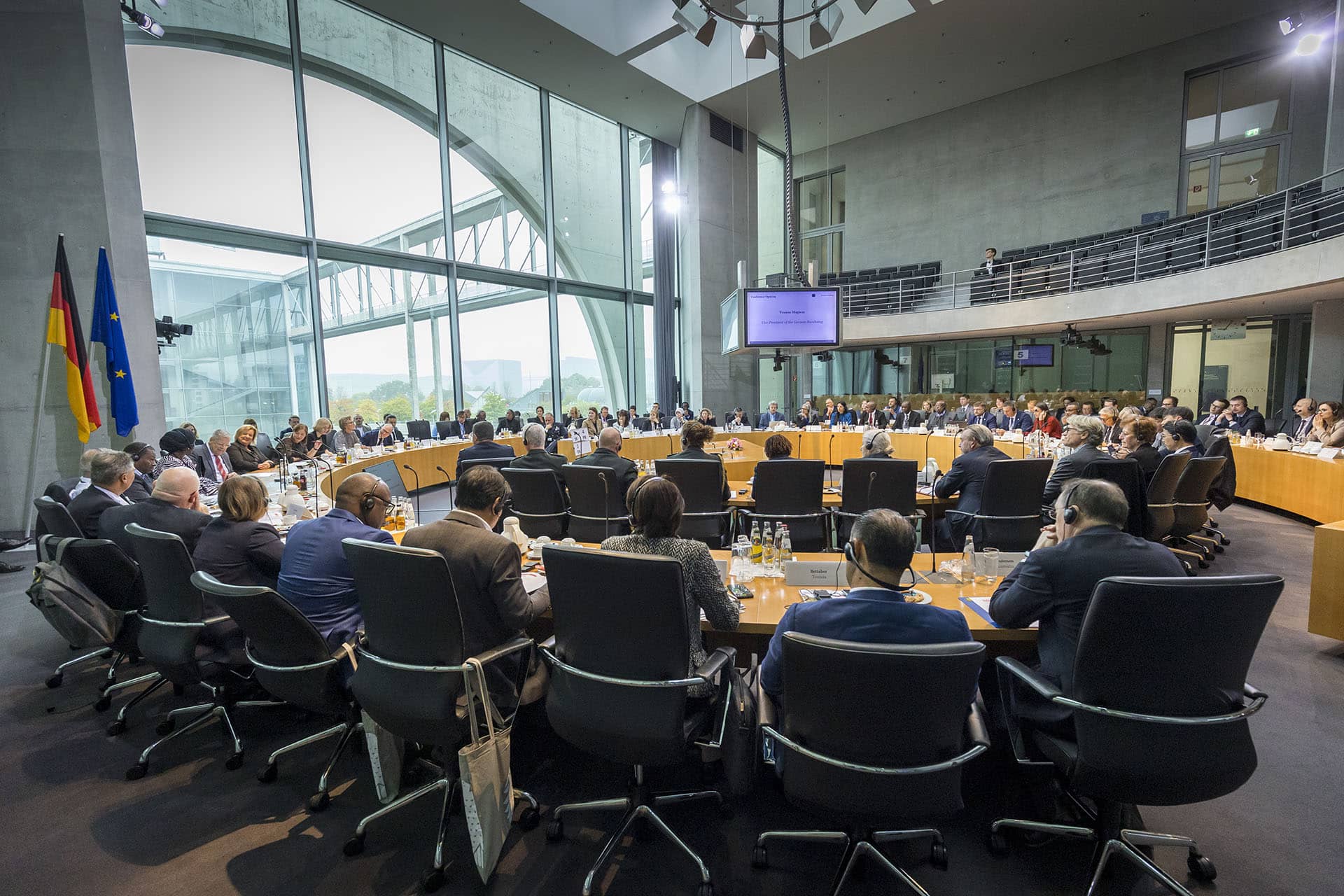
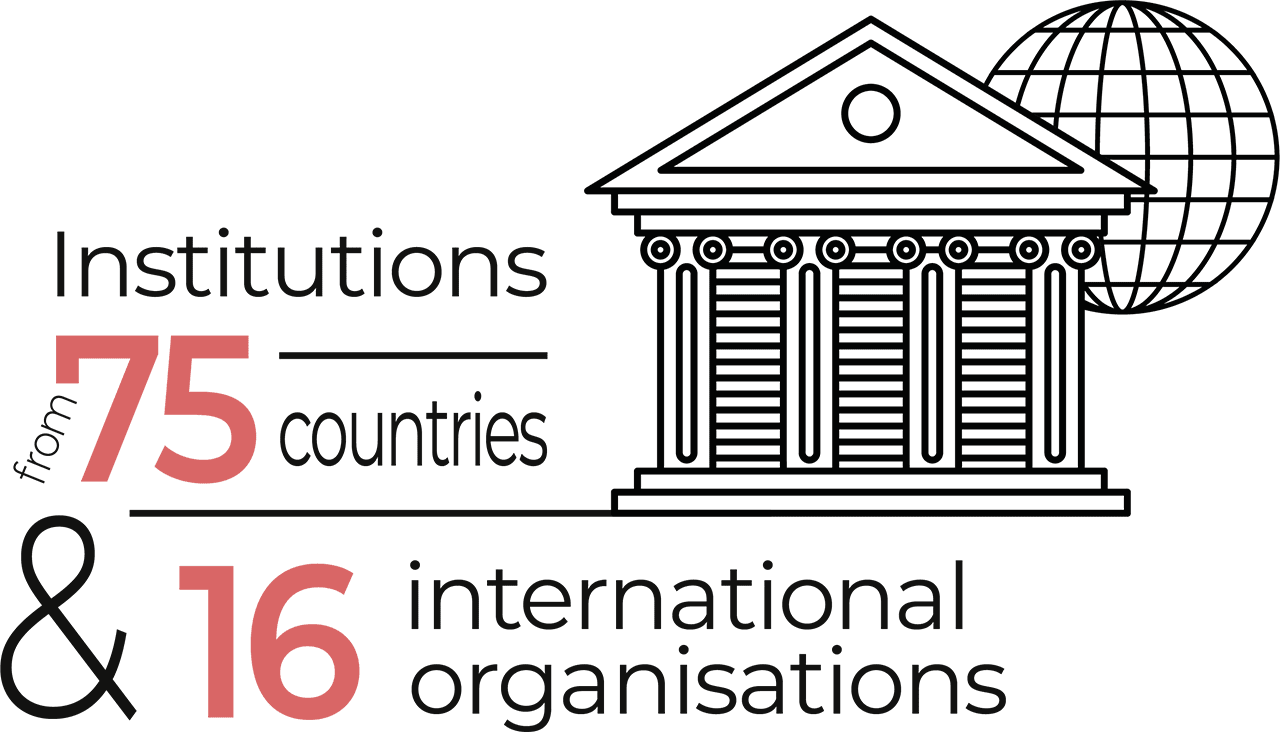
The International Conference of Ombuds Institutions for the Armed Forces (ICOAF) brings together representatives from around the world whose institutions, though known by different names and operating under various models, share a common mandate to oversee the armed forces. To date, representatives from more than 50 countries have taken part in the ICOAF initiative.

This year’s ICOAF was held under the theme “Building Bridges – Awareness and Outreach Efforts by Ombuds Institutions”. The chosen theme reflected the understanding that the effectiveness and perceived legitimacy of oversight bodies rests on the levels of awareness, understanding, and trust among those their mandate is intended to serve.
Read more about 17ICOAF
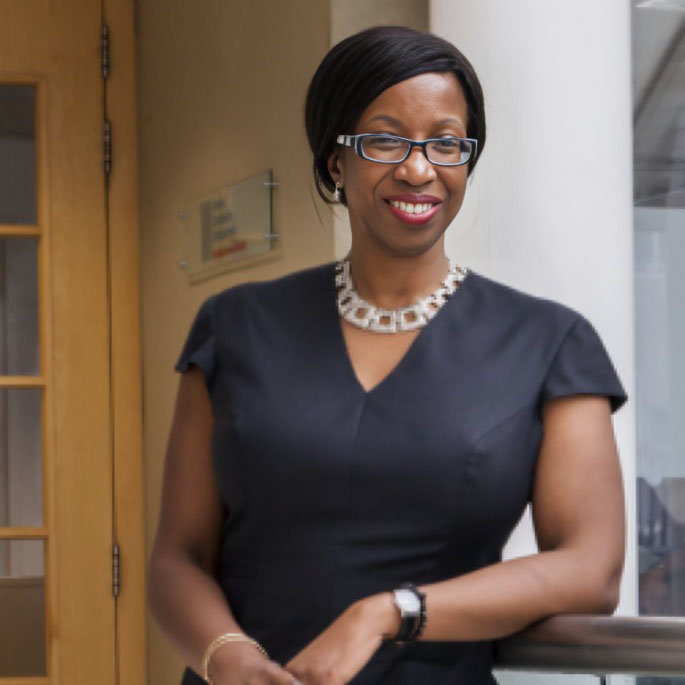
ICOAF is the only platform of its kind for independent ombuds institutions for the armed forces to share good practices, and learn from each other on a variety of challenges facing us as ombuds[persons] in this specialist sector.
Nicola Williams
Former Service Complaints Commissioner for the Armed Forces, United Kingdom (2009-2014)
Hosted for the first time in 2009, the annual ICOAF conferences have established themselves as a key forum for the international ombuds community.
They serve as a platform to raise awareness, facilitate peer-to-peer exchange of knowledge and best practices, and shape future policy responses related to the mandate, powers, and functioning of ombuds institutions.

Over the course of two days, ombuds representatives from around the world are invited to explore and reflect on the key challenges and pressing issues they encounter in the conduct of their work.
Each year, ICOAF is jointly co-hosted by DCAF, the Geneva Centre for Security Sector Governance and a participating ombuds institution. Issues on the agenda are bound by an overarching theme.
In addition to co-hosting the annual ICOAF, DCAF supports ombuds institutions by working directly with them to strengthen their capacities; fostering international cooperation through focused, regional peer exchange and by building bridges between institutions; and developing policy guidance and research on topics relevant to their mandate.